
 Blog
Blog 6 Feb 2026
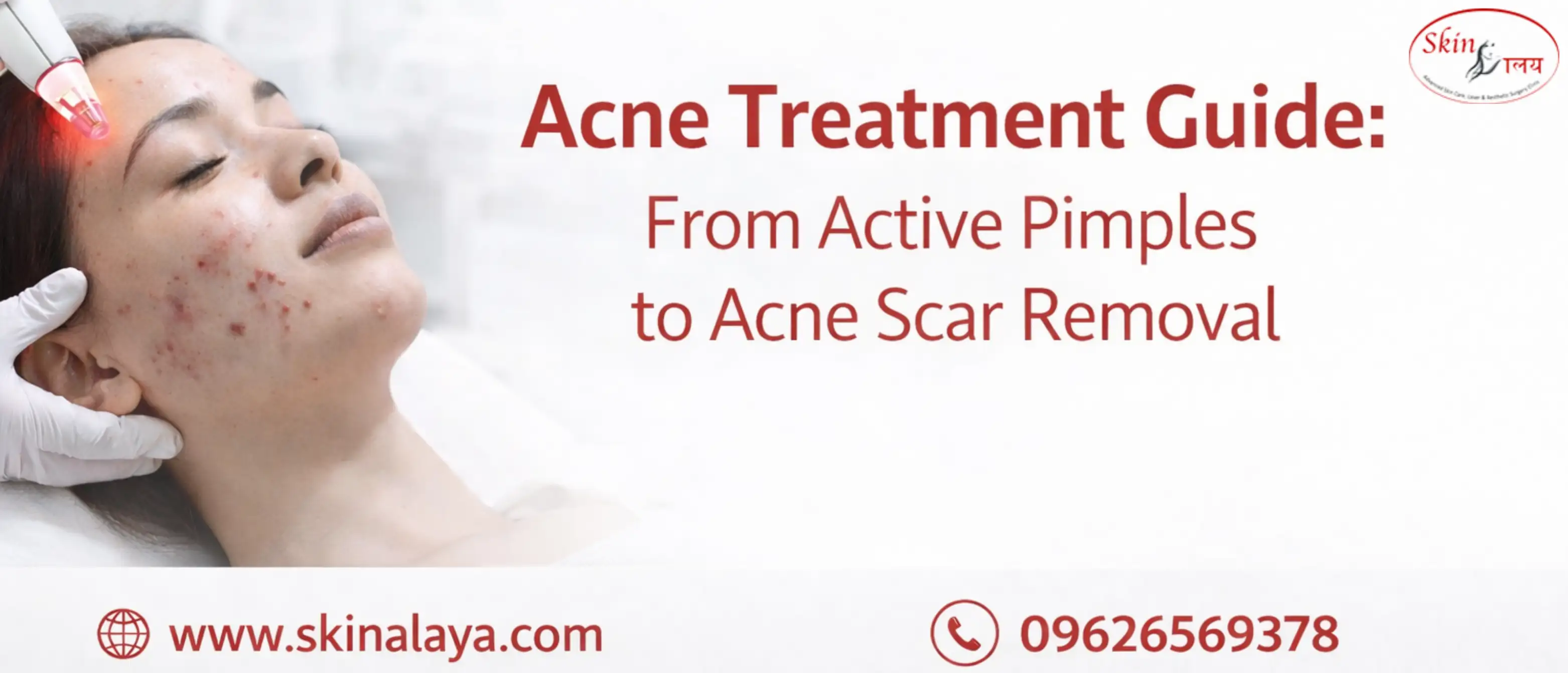
Acne is one of the most common skin conditions worldwide, affecting teenagers, young adults, and even people well into their 30s and 40s. While it often begins as an occasional pimple, acne can gradually become a persistent issue that impacts confidence, emotional well-being, and social interactions. The journey doesn’t always end when breakouts stop; many people are left dealing with stubborn marks or scars that linger for years.
What makes acne management challenging is that there is no single cause or solution. Hormones, lifestyle, genetics, skincare habits, and environmental factors all play a role. Understanding acne in stages, from active pimples to scar treatment, helps you choose the right approach at the right time and avoid unnecessary frustration.
Also Read: Skincare routines and products that can help prevent or treat acne
Active acne starts when hair follicles become clogged with excess oil (sebum), dead skin cells, and acne-causing bacteria. This blockage triggers inflammation, which appears in different forms such as blackheads, whiteheads, papules, pustules, nodules, or cysts.
Several factors can trigger or worsen acne:
Since acne varies in type and severity, treatment must be customized. What works for mild acne may be ineffective or even harmful for severe or cystic acne.
Also Read: Acne Demystified: Understanding the Root Causes and Effective Treatment Options
One of the biggest mistakes people make is focusing on acne scars while active breakouts are still present. Treating scars without controlling acne often leads to new pimples and additional scarring. The primary goal should always be to reduce inflammation, control oil production, and prevent future breakouts before moving on to scar correction.
Also Read: Discover the Best Acne Treatment in Delhi for Radiant Skin
For mild to moderate acne, a consistent and gentle skincare routine forms the foundation of treatment. Cleansing twice daily with a mild, non-foaming cleanser helps remove dirt and excess oil without stripping the skin’s natural barrier. Over-cleansing or using harsh scrubs can worsen acne by increasing irritation and redness.
Key ingredients that help manage acne include:
Results take time. Most topical treatments require at least 6–12 weeks of consistent use before noticeable improvement appears.
When acne becomes persistent, painful, or cystic, dermatological intervention is often necessary. Retinoids such as adapalene or tretinoin are commonly prescribed because they prevent clogged pores, improve cell turnover, and reduce future breakouts. They also offer long-term benefits for skin texture and pigmentation.
For inflammatory acne, short-term oral medications may be prescribed to reduce bacteria and inflammation. Hormonal acne, often seen along the jawline or flaring before periods, may respond better to treatments that balance hormones under medical supervision.
In severe cases that do not respond to standard treatments, isotretinoin can significantly reduce acne and prevent lifelong scarring. However, it must be taken strictly under a dermatologist’s guidance due to potential side effects.
Skincare alone is not enough to control acne. Lifestyle habits play a major role in how the skin behaves. While no food directly causes acne, diets high in sugar, refined carbohydrates, and excessive dairy may worsen breakouts in some individuals.
Stress is another major trigger. Elevated stress levels increase cortisol, which stimulates oil production and inflammation. Getting enough sleep, exercising regularly, and practicing stress-management techniques can help keep acne under control.
Simple habits such as avoiding frequent face touching, cleaning phone screens, removing makeup properly, and changing pillowcases regularly also help reduce bacterial transfer to the skin.
Once acne is under control, many people notice marks or scars left behind. These are often confused, but they are not the same.
Acne marks are flat red or brown spots caused by inflammation. They fade over time and respond well to topical treatments such as vitamin C, azelaic acid, retinoids, and gentle exfoliating acids. Daily sunscreen is essential because sun exposure darkens these marks and delays healing.
Acne scars, on the other hand, are permanent structural changes in the skin and require professional treatment for improvement.
Also Read: Can acne scars be removed permanently? Things you may not have known
Acne scars are classified based on their appearance and depth:
Each type responds differently to treatment, which is why scar management should always be customized.
Modern dermatology offers several effective treatments for acne scars:
Most people require a combination of treatments over multiple sessions for optimal results. Acne scars cannot usually be erased, but significant improvement is achievable. Depending on scar type and skin condition, most individuals experience 50–90% visible improvement. Results develop gradually, often over several months, and patience is key.
Also Read: Chemical Peel Process: Day-to-Day Expectations
Acne treatment is a journey that requires understanding, consistency, and patience. From calming active breakouts to improving scars, a structured approach delivers the best long-term results. With proper skincare, lifestyle adjustments, and professional guidance when needed, clearer skin and renewed confidence are absolutely achievable. For those seeking expert guidance and reliable results, choosing the right clinic makes all the difference. Skinalaya offers a comprehensive, dermatology-led approach to acne management, from controlling active breakouts to advanced acne scar treatments. With experienced dermatologists, modern technology, and customized treatment plans, Skinalaya focuses on treating the root cause of acne rather than offering temporary fixes. Their patient-centric care, emphasis on safety, and evidence-based treatments help individuals achieve clearer skin, improved texture, and long-term confidence in a structured and supportive environment.
Most acne treatments take 6–12 weeks to show visible improvement. Scar treatments take longer and may require several months.
Scars usually cannot be removed entirely, but professional treatments can significantly reduce their depth and visibility.
Scar treatments should ideally begin only after active acne is under control to avoid new scars forming.
Yes. Sunscreen prevents darkening of acne marks and helps them fade faster.
Home remedies may help mild marks but are ineffective for deep scars and may sometimes worsen skin irritation.
Most treatments require 3–6 sessions, depending on scar severity and skin response.
Yes. Stress increases oil production and inflammation, making acne more likely to flare.
